







Loading
.
.
.

Understanding Iridium and Ruthenium

Understanding Iridium and Ruthenium

The ancient origins of rare metal resources

Billions of years ago, meteorite impacts are thought to have helped form ore deposits containing platinum group metals (PGMs)—platinum, palladium, ruthenium, rhodium, iridium, and osmium.
Today, these exceptionally rare metals play a vital role in a wide range of advanced technologies.


Strategic metals powering the digital and
low-carbon economy

As the world advances toward green energy and smarter technologies, the applications of iridium and ruthenium continue to expand. As efforts toward carbon neutrality accelerate worldwide, material selection is becoming an increasingly important factor in the development of future technologies.


Applications of iridium
Applications of ruthenium

Characteristics and uses of iridium and ruthenium

Iridium and ruthenium are extremely rare metals, with annual production of only about 7 tonnes and 20 tonnes, respectively. Both belong to the platinum group metals (PGMs) and offer exceptional heat resistance, corrosion resistance, and electrical properties.

These properties make them important materials for a wide range of advanced applications, including semiconductors, medical devices, and aerospace technologies.


Iridium

  • Heat resistance Exceptionally high melting point of 2,446°C
  • Corrosion resistance Highly resistant to most acids and alkalis
  • Hardness and density Hardness: Mohs hardness of 6.5(10 = diamond, the hardest natural material) Density: Second-highest among all metals after osmium(22.562 g/cm³)
  • Electrical properties Excellent electrical conductivity
  • Catalytic activity Moderate catalytic activity
  • Range of applications Expected to play an expanding role in energy and environmental technologies

Ruthenium

  • Heat resistance High melting point of 2,334°C
  • Corrosion resistance Good corrosion resistance, though lower than that of iridium
  • Hardness and density Hardness: Mohs hardness of 6.5(10 = diamond, the hardest natural material) Density: Relatively high density of 12.45 g/cm³
  • Electrical properties Excellent electrical conductivity
  • Catalytic activity Highly active as a catalyst and widely used in fuel cells and chemical synthesis
  • Range of applications Expected to play an important role in electronics, catalysts, and next-generation semiconductor technologies

Iridium: A highly durable metal for extreme environments

  • Components for phosphorescent emitter manufacturing equipment
    • OLED displays
    • Digital signage
  • Hydrogen technologies
    • Hydrogen refueling stations
    • Fuel cell vehicles
  • Medical equipment
    • Specialized tools for manufacturing medical devices

Ruthenium: A key material for nanoscale technologies

  • Hard disk drive recording layers
    • Data centers
  • Catalyst applications
    • Caustic soda production
    • Fertilizer production
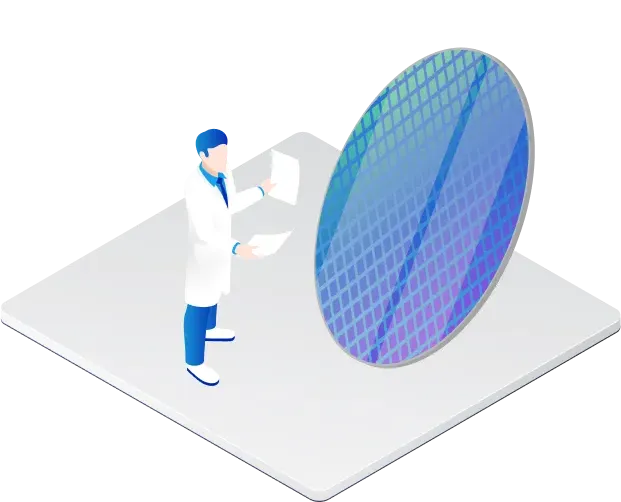
  • Semiconductors
    • Next-generation semiconductors
    • Generative AI

Why iridium and ruthenium
are gaining attention today

Unique properties driving next-generation technologies Iridium and ruthenium are among the rarest and most difficult-to-substitute platinum group metals. Their exceptional hardness, resistance to high temperatures, and corrosion resistance make them indispensable materials for a wide range of next-generation technologies.
Iridium and
Ruthenium
Production and
recycling capacity
A field that requires specialized expertise In addition to their rarity, iridium and ruthenium are notoriously difficult to process. Their high melting points and challenging material properties limit the number of companies worldwide capable of handling them. Advanced precision processing technologies are essential to fully utilizing the unique properties of these materials.