Loading
.
.
.
Detecting even the slightest temperature changes
In advanced semiconductor manufacturing, precise temperature control is essential to product quality. Designed to withstand temperatures of up to 2,000°C, Furuya Metal's thermocouples deliver accurate and reliable measurement in the most demanding environments.
The metal wire used inside a thermocouple must maintain its performance during prolonged use in extremely high-temperature environments. Strength is therefore a critical requirement. At Furuya Metal, these wires are manufactured using a proprietary process known as R-SP, producing wires that are resistant to bending and breakage.
The R-SP process is a proprietary technology developed by Furuya Metal that combines the purification of platinum materials with shaping through plasma sintering. Compared with conventional products, it provides approximately twice the strength and ten times the creep life (resistance to deformation at high temperatures).
This technology enables the production of long-life, high-precision thermocouples used in advanced applications such as semiconductor manufacturing.
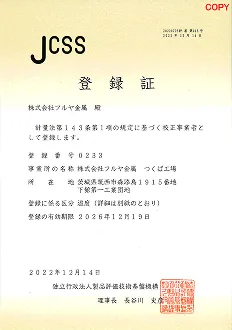
Calibration testing verifies whether a measuring instrument is operating accurately. Through JCSS (Japan Calibration Service System)-accredited calibration services, Furuya Metal verifies the temperature accuracy of its thermocouples. Accurate measurement is essential for quality assurance, making calibration a fundamental part of the process.
JCSS is a calibration accreditation system that ensures traceability to Japan’s national measurement standards and verifies compliance with ISO/IEC 17025 requirements for technical competence and operational management.
Through this accreditation, Furuya Metal’s thermocouple calibration services are recognized both in Japan and internationally for their measurement accuracy and reliability. JCSS calibration certificates provide confidence in measurement results and help demonstrate quality assurance to customers, research institutions, and industrial users.
Processes such as cutting and sealing quartz tubes are carried out in-house to protect thermocouples from external environments. These processes create a durable structure capable of withstanding high-temperature conditions.
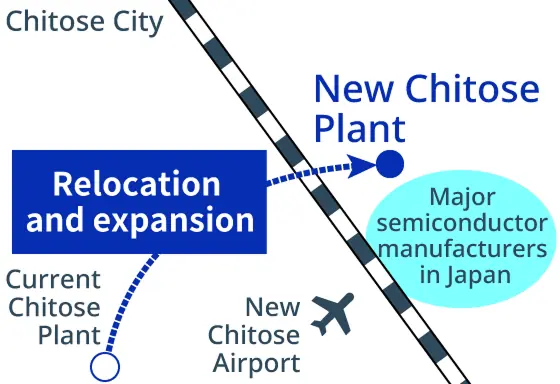
Furuya Metal will relocate its Chitose Plant, which is responsible for the processing of quartz products, in 2026. The relocation is intended to accommodate growing demand and improve production efficiency. By introducing new equipment, the company aims to further strengthen product quality and its supply capabilities.
Furuya Metal will continue to enhance its manufacturing capabilities to provide a stable supply of high-precision quartz products for advanced applications, including semiconductor manufacturing.
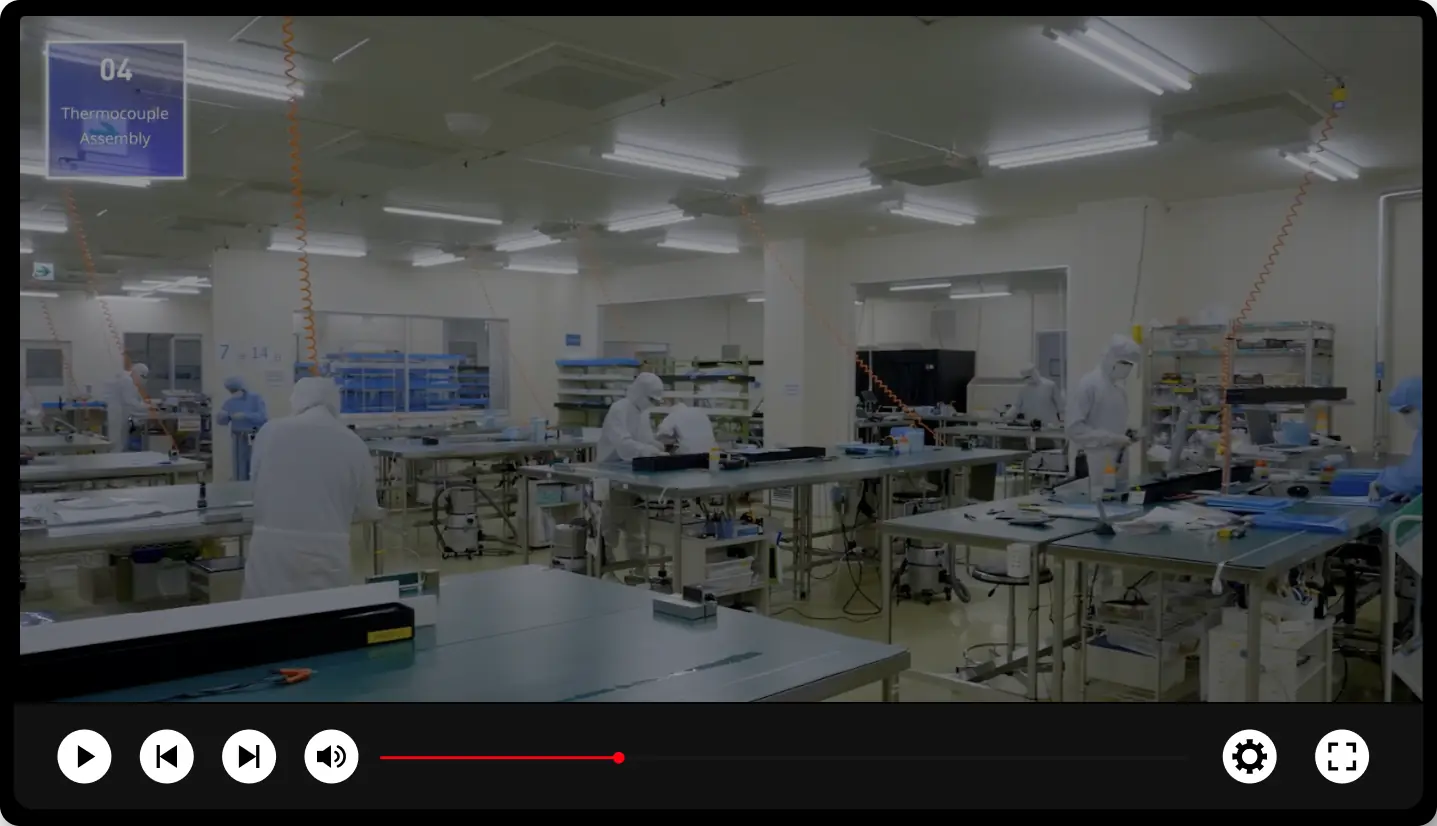
Because thermocouples are highly sensitive devices, assembly is carried out in a cleanroom to prevent contamination from dust and other particles. Through this careful assembly process, thermocouples are manufactured to meet the requirements of semiconductor manufacturing equipment.
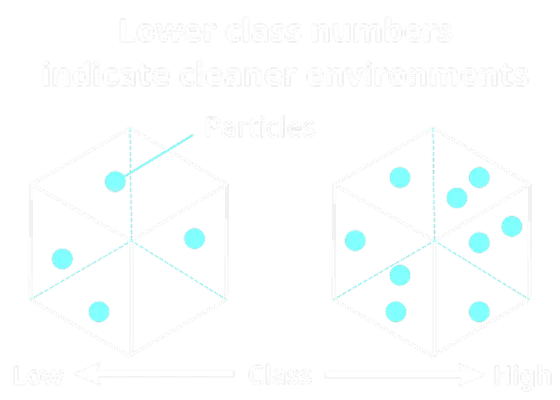
A Class 100 cleanroom is a highly controlled environment in which the number of airborne particles is maintained at 100 or fewer per cubic foot of air. The lower the class number, the cleaner the environment.
Such cleanrooms are essential for the manufacture of semiconductors, electronic components, and other high-precision products. At Furuya Metal, products are assembled under strict environmental controls to maintain product quality and reliability.
The completed thermocouples are high-reliability products used by leading semiconductor equipment manufacturers. Customization is also available to meet specific application requirements.
Ir–Rh thermocouples consist of iridium and iridium–rhodium alloys. They are capable of measuring temperatures above 2,000°C during the melting of specialty crystal materials used in products such as LEDs and sensors.
In addition to these applications, Ir–Rh thermocouples are used in advanced industries that require temperature measurement in ultra-high-temperature environments exceeding 2,000°C, including semiconductors, LEDs, advanced ceramics, and aerospace.